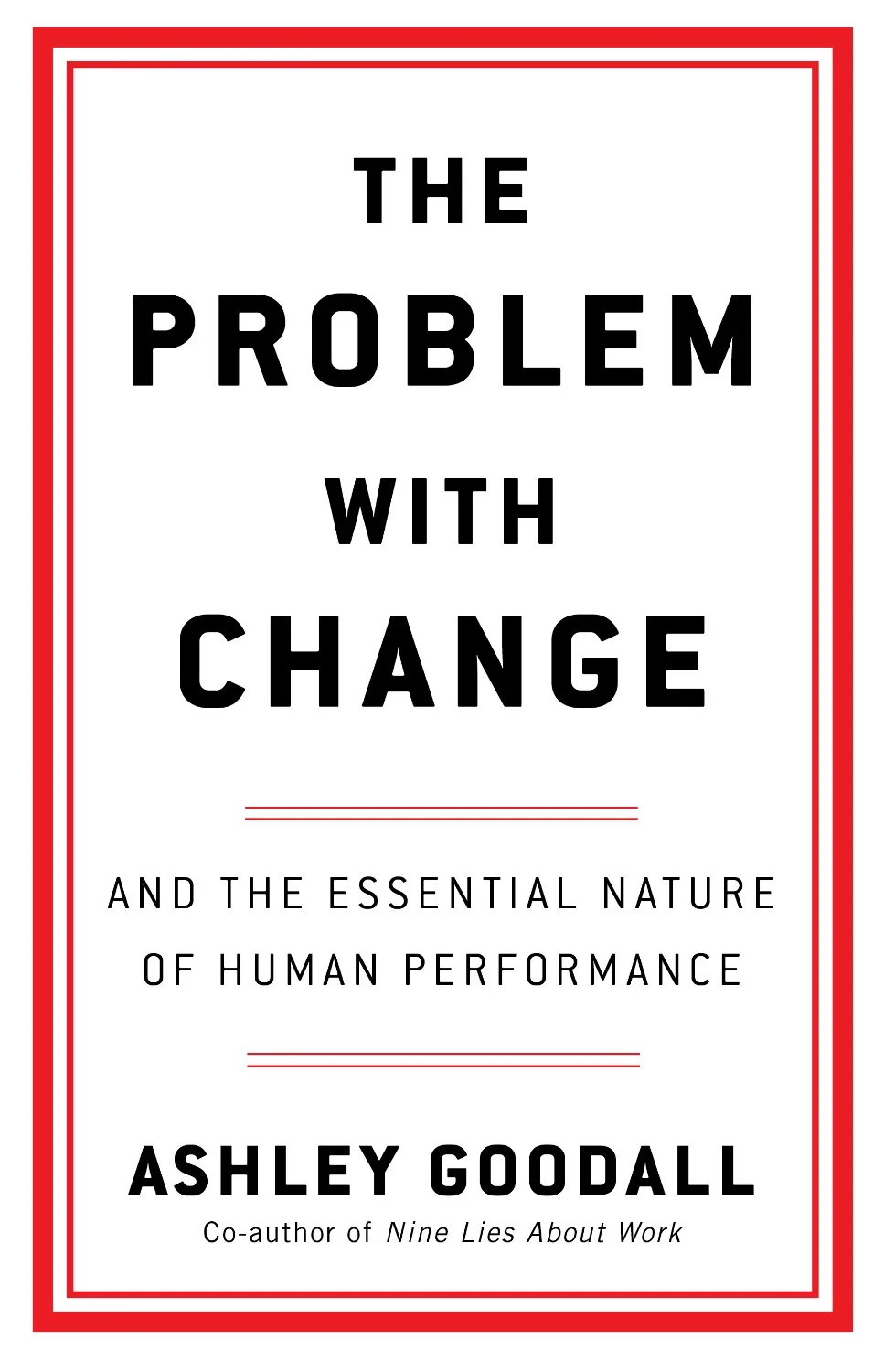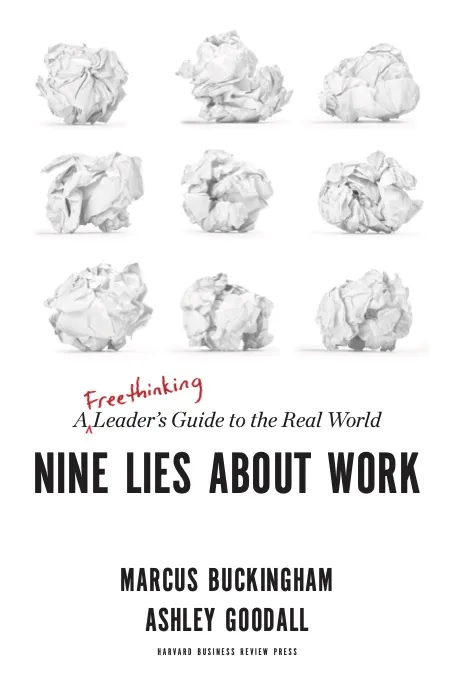
The way we lead our people is the single most important element of how we lead our organizations — and the hardest to get right.
I am a leader, speaker, and writer. I’ve spent two decades working inside large organizations as an executive in the areas of leadership and human performance, and I’ve written two books about what I learned there. My working life is now spent alongside CEOs and CHROs who want both clear thinking and practical collaboration.

Better Questions
Hard problems demand hard thinking, and the best way I know to think hard is to write. Here’s where we begin, then: an essay which asks how improvement in organizations actually happens.
The defining moments in my career have arisen when I have paid attention to my own confusion.
At first, I thought the problem was me. If everyone else was certain that, for example, the annual ritual of filling in a goals form was a good way of creating alignment, then perhaps my questioning how this could be—when no one ever looked at the goals again once they were approved—was the problem.
Over time, though, I noticed a pattern. My confusion tended to show up whenever the official explanation for something and the reality on the ground didn’t quite line up.
Leaders would insist that a process was essential, while employees experienced it as counterproductive. Consultants would describe an organization one way, while the people inside it described something quite different. We would talk confidently about how humans behaved at work, only to discover that actual humans seemed determined not to cooperate.
I learned that when I paid attention to these misfit moments, useful questions emerged.
The question leaders were asking was: Is there a more efficient way to measure performance?
But the more interesting question seemed to be: How do we get more of it?
That question led me into years of research and experimentation, first at Deloitte and later at Cisco. It led to new approaches to manager check-ins. And it shifted my attention away from systems for documenting work and toward the conditions that help people do their best work in the first place.
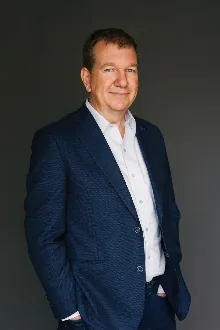
Not with certainty, but with curiosity. Not with conviction, but with humility. And not with better answers, but with better questions.
I work directly with CEOs, CHROs, and leadership teams as a thinking partner on the hardest people questions.
How we can work together
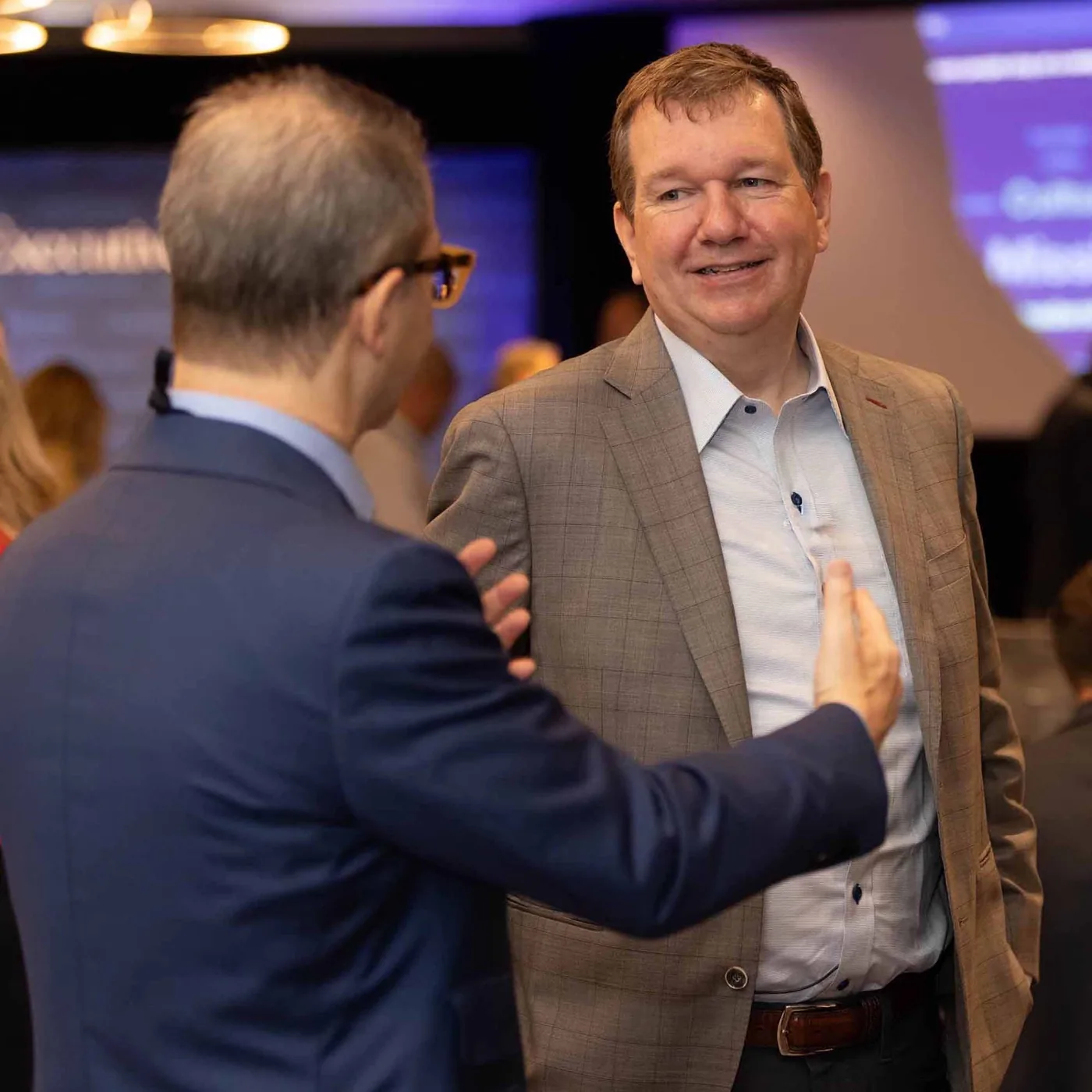
ADVISORY
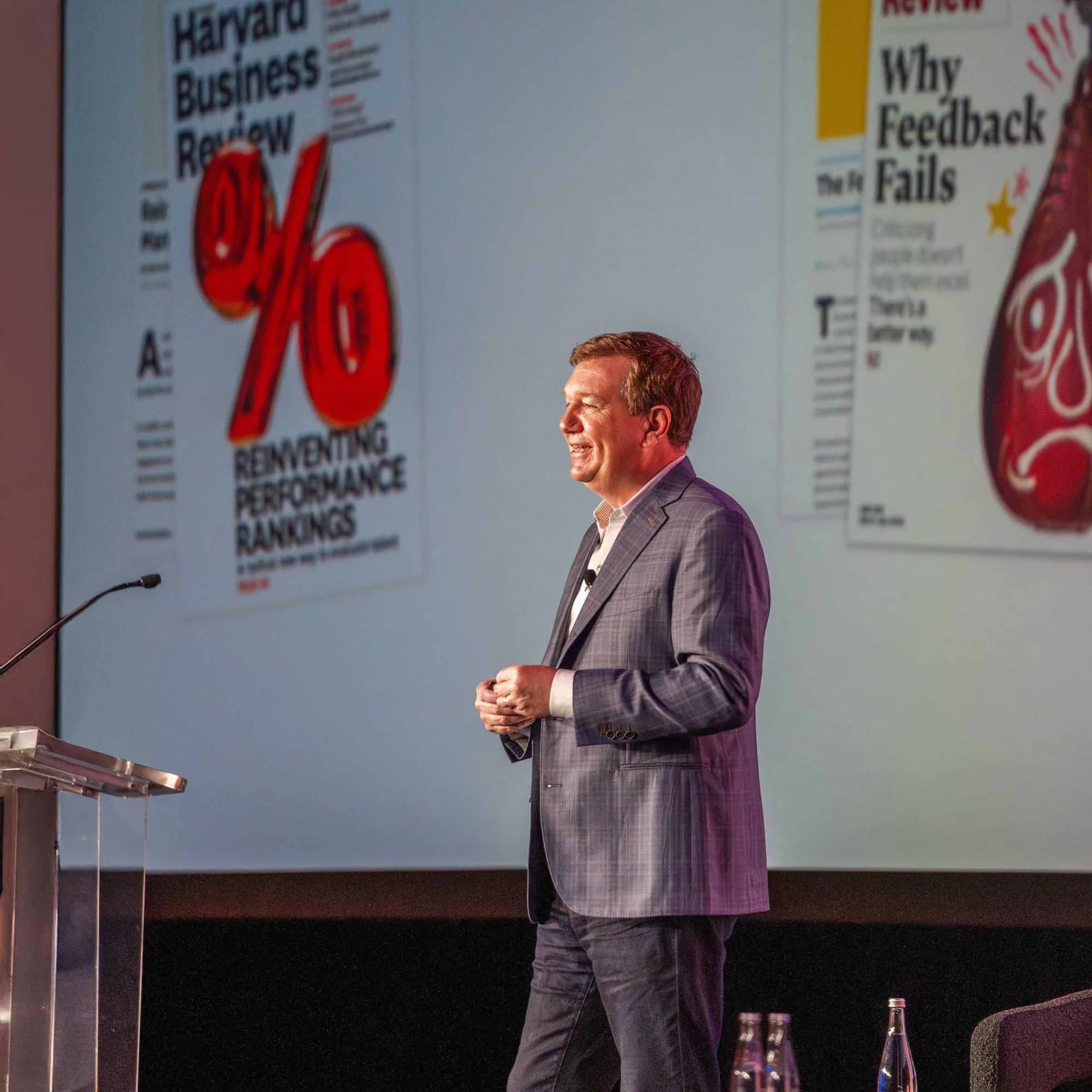
SPEAKING
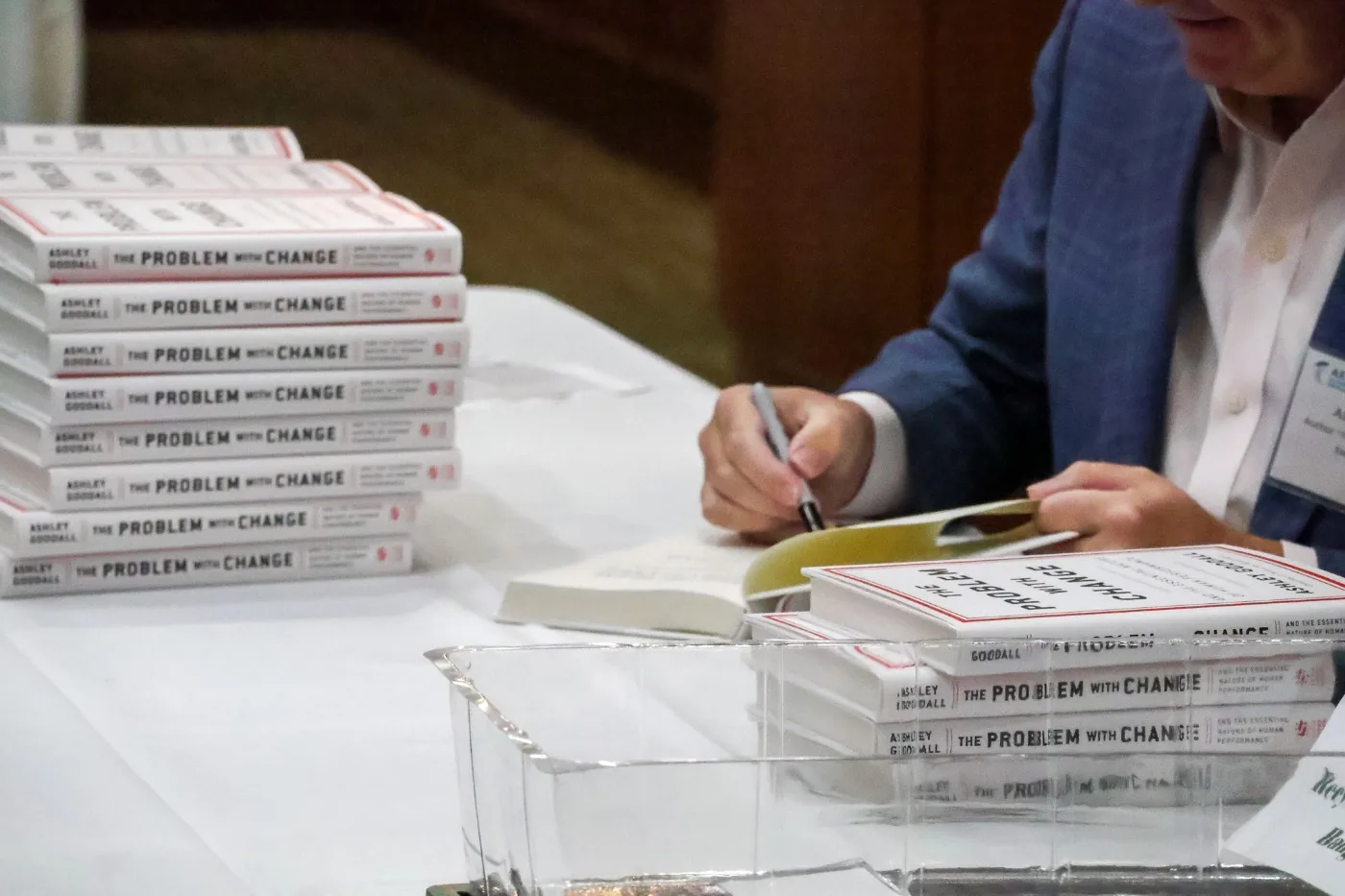
WRITING
“If I was going to write, I had to spend my words illuminating the humanity of work; if I was going to give talks, I had to spend my time showing how human flourishing and business success need not be at odds; and if I was going to advise leaders, I had to spend my efforts not on models or methodologies, but on asking better questions, on discovering what was really happening, and on helping people make sense of what they found.”
Challenging received wisdom